· by Hanna Carolina · 6 min read
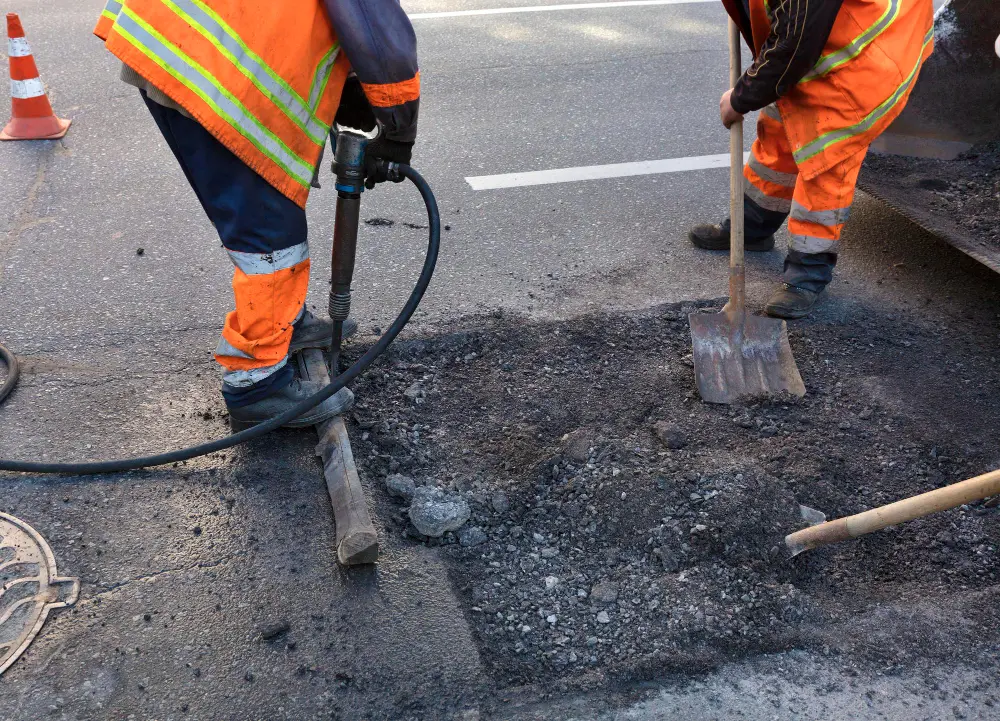
Central Florida's intense sun and heavy afternoon rains wreak havoc on commercial parking lots. For business owners in Lake County, a simple pothole isn't just an eyesore; it's a liability waiting to happen. You can handle small repairs yourself to keep your property safe and attractive between major resurfacing jobs.
Why Does Florida Weather Damage Asphalt So Quickly?
Florida asphalt degrades faster than in other states because the high UV index oxidizes the binder, turning the pavement from black to gray and making it brittle. Once the surface cracks, our daily summer thunderstorms force water into the base layer, causing it to wash away. Without a solid base, the weight of vehicles causes the asphalt to collapse, creating potholes.
This cycle of sun and rain is relentless here. In our experience, we see small hairline cracks turn into major potholes in just one rainy season if left unchecked. That's why preventative maintenance is critical. Regular spray sealcoating acts as a sunscreen for your pavement, blocking UV rays and preventing water penetration. If you catch the damage early enough, you can stop the deterioration in its tracks.
What Tools Do You Need for DIY Patching?
To patch a pothole correctly, you need a tamper, a shovel, a stiff broom, and high-quality cold patch material. You don't need heavy machinery for small repairs, but you do need the right manual tools to ensure the patch bonds with the existing pavement. Most local hardware stores in Tavares or Mount Dora carry these supplies.
Essential Tools Checklist:
- Square-point shovel: For removing debris and squaring the hole edges.
- Stiff-bristle broom: To sweep away loose gravel and dust.
- Hand tamper: A heavy metal tool used to compact the material.
- Cold patch asphalt: Available in 50lb bags.
- Safety gear: Gloves and safety glasses are a must.
If you plan to spruce up the entire lot, remember that fresh repairs often make fading lines look even worse. Many of our clients find that scheduling parking lot striping for Lake County customers can clearly see is the perfect follow-up to a round of patching.
Step-by-Step Guide to Asphalt Patching
Patching is straightforward, but skipping steps will result in a repair that pops out within weeks. Follow this process to get a result that lasts.
1. Clean the Area Thoroughly
Remove every piece of loose debris, grass, and standing water from the pothole. The hole must be dry. If you leave water in the hole, the new material won't bond. We often see DIY repairs fail because the person skipped this step or didn't sweep out the dust.
2. Square the Edges
Use a hammer and chisel or a specialized saw to create vertical edges around the pothole. A "V" shaped hole will push the new material out when cars drive over it. Vertical edges hold the patch in place.
3. Add Material and Compact
Pour the cold patch into the hole. Do not fill it to the top all at once. Fill it halfway, then tamp it down hard. Then fill the rest, leaving the material about half an inch higher than the surrounding pavement to account for future settling.
4. Final Compaction
Use your hand tamper to pound the surface flat. You can also drive your vehicle back and forth over the patch (putting a piece of plywood down first helps) to compact it further. The tighter the pack, the longer it lasts.
When dealing with asphalt, compaction is everything. If there are air pockets in your patch, water will get in, and the repair will fail.
How Much Does DIY Asphalt Patching Cost?
DIY asphalt patching is cost-effective for minor repairs, typically costing between $15 and $25 per bag of cold patch material. Since a single pothole might require two or three bags, your material cost stays low. However, time is money. A proper patch job on a few potholes can take a maintenance crew 2-3 hours to complete correctly.
If you're looking at extensive repairs across a large lot, the math changes. Professional asphalt repair costs generally range from $2 to $5 per square foot, depending on the severity of the damage and local labor rates. According to data from Angi, the average cost for professional asphalt repair projects is around $2,000, though this varies significantly based on the scope of work.
Comparing this to the cost of neglect is sobering. A trip-and-fall lawsuit can cost a business thousands, far outweighing the price of a few bags of cold patch or a professional service call. Plus, maintaining a safe lot is part of maintaining your business reputation. Whether it's patching holes or refreshing the parking lot striping Lake County residents navigate daily, these details matter.
Tips for Long-Lasting Asphalt Repair in Florida
The best time to repair asphalt in Central Florida is during our drier months, typically from November to April. Attempting to patch asphalt during the summer rainy season is risky because sudden downpours can ruin the bond before it sets.
Pro Tips from Our Team:
- Don't ignore gray asphalt. That color change is a scream for help. It means the binder is drying out.
- Check drainage. If water pools in a specific spot after a rainstorm in Leesburg or Clermont, that spot will eventually turn into a pothole. You might need to adjust the grade, not just patch the hole.
- Seal it. Once your patches cure (usually 30-90 days), seal the entire lot. This makes the patches blend in and protects the rest of the surface.
Common Mistakes to Avoid
We fix a lot of failed DIY patches. The most common error we see is "throw and go." This happens when someone throws a cold patch into a hole full of water and debris and drives away. This patch will likely pop out the next time a heavy delivery truck drives over it.
Another mistake is inadequate compaction. If you step on the patch and your shoe sinks, it's not packed tight enough. It needs to be as hard as the surrounding road.
Finally, don't ignore the aesthetics. A parking lot full of mismatched patches can look sloppy. After repairs are made, consider a full sealcoat and new parking lot striping Lake County visitors will appreciate. It makes the property look brand new and signals that you care about your business environment.
When to Call a Pro
While DIY cold patching works for small, isolated holes, it isn't a cure-all. If your pavement looks like the skin of an alligator (a pattern of interconnected cracks), the sub-base has failed. Putting a patch on top of alligator cracking is like putting a Band-Aid on a broken leg. It won't hold.
If you see deep sinkholes, extensive alligator cracking, or if water drainage is undermining your lot, you need professional intervention. We understand local soil conditions and drainage requirements in areas like Eustis and Groveland, ensuring repairs address the root cause, not just the symptom.
Need Help With Your Pavement?
Maintaining a commercial parking lot is a big job, but you don't have to do it alone. Whether you need advice on a tricky repair or want a full assessment of your property's condition, we're here to help local businesses put their best foot forward.
Contact Reliable Pavement Maintenance at (407) 924-8228 today for a free evaluation.